Sustainable fashion is more than a trend in South Asia—it's a structural shift in how the region's consumers relate to clothing. Bangladesh, as the world's second-largest garment exporter, occupies a unique position: the industry's environmental legacy is part of everyday public consciousness in a way it isn't elsewhere. This proximity is driving a genuinely informed consumer movement.
The South Asian Consumer's Advantage
Consumers in Bangladesh and neighbouring countries have a built-in awareness of garment production economics that Western consumers lack. When you can see factory workers in your community, when you understand roughly what a garment costs to make, you develop a more sophisticated relationship with clothing as an object with human and environmental costs attached.
This knowledge edge is now being channelled into purchasing behaviour. A 2025 consumer study found that urban Bangladeshi shoppers in the 25–40 age bracket ranked ethical production transparency as the second most important purchase driver, after price.
What Sustainable Actually Means
The term "sustainable" is chronically overused and frequently misleading. For practical purposes, evaluate a fashion claim across three dimensions:
Material origin: Where do the raw materials come from, and how are they grown or produced? Organic and regenerative certifications (GOTS, Regenerative Organic Certified) mean something specific and verifiable.
Production conditions: Are the workers paid fairly and working in safe conditions? Look for Fair Trade certification or brands that publish their supplier lists and audit results.
Longevity design: Is the product designed to last, and is there a pathway for recycling or responsible disposal at end of life?
Building Your Sustainable Wardrobe
You don't need to overhaul your wardrobe overnight, and attempting to do so would itself be unsustainable. The most practical approach:
- Stop buying fast fashion: impose a 30-day waiting period on any non-essential purchase.
- Invest in one quality piece per season that meets at least two of the three sustainability criteria above.
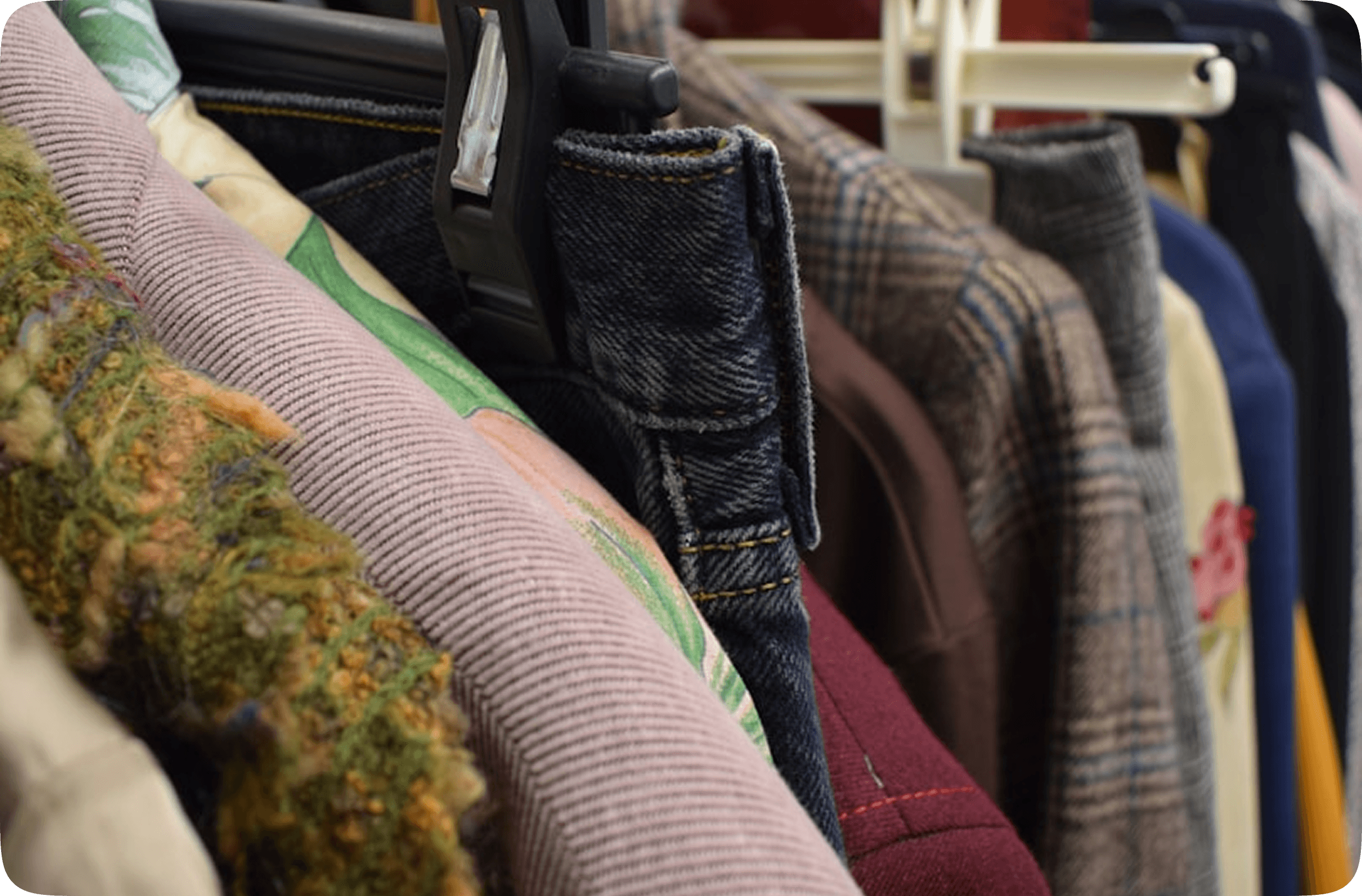
- Explore secondhand: vintage markets, clothing swaps, and curated resale platforms are environmentally superior to any new purchase, however ethical the brand.
- Care for what you own: proper washing practices (cold water, line drying) dramatically extend garment lifespan.
Govaly's Fashion Mall is committed to curating brands that meet genuine sustainability criteria. Browse our sustainable fashion edit to build a wardrobe you feel as good about as you look in.