The gut microbiome has emerged as one of the most consequential areas of health science in the past decade. By 2026, the research connecting gut health to immunity, mental health, metabolic function, and even skin condition has become too significant to ignore. This guide explains the science accessibly and gives you a practical, food-first strategy for building a healthier gut.
What Is the Gut Microbiome?
The gut microbiome is the ecosystem of trillions of bacteria, fungi, viruses, and other microorganisms living in your digestive tract — predominantly the large intestine. A healthy microbiome contains hundreds of different species living in a balanced, mutually beneficial relationship with the host.
These microorganisms perform functions that your body cannot perform on its own:
Short-chain fatty acid (SCFA) production — When gut bacteria ferment dietary fibre, they produce SCFAs — particularly butyrate, propionate, and acetate. Butyrate is the primary energy source for colonocytes (colon cells) and plays a critical role in maintaining the intestinal barrier, reducing inflammation, and regulating gene expression.
Immune education — Approximately 70% of the immune system resides in and around the gut. The microbiome continuously trains immune cells to distinguish between harmless antigens and genuine threats, reducing the risk of both infection and autoimmune overreaction.
Neurotransmitter production — The gut produces roughly 90% of the body's serotonin and significant quantities of GABA and dopamine precursors. This gut-brain axis means that microbiome disruption is now directly implicated in anxiety, depression, and cognitive fog.
Metabolic regulation — Gut bacteria influence how efficiently you extract calories from food, how your body manages blood glucose, and how it stores or burns fat. Two people eating identical diets can have significantly different metabolic responses based on their microbiome composition.
Signs Your Gut Health Needs Attention
Modern lifestyles — high-stress, low-fibre, antibiotic-heavy, sleep-deprived — systematically disrupt microbiome diversity. Common signs of microbiome imbalance include:
- Frequent bloating, gas, or irregular bowel movements
- Persistent fatigue not explained by sleep deprivation
- Food sensitivities that have developed or worsened
- Frequent minor infections or slow recovery
- Mood instability, brain fog, or unexplained anxiety
- Skin conditions like acne, eczema, or rosacea
None of these are diagnostic in isolation, but a cluster of them warrants attention to gut health as a contributing factor.
The Food-First Framework
Before supplements, apps, or any other intervention, the most powerful thing you can do for your microbiome is change what you eat. Food is the single most significant modifiable variable in microbiome composition.
Increase Dietary Fibre — Dramatically
The average person in South Asia and globally consumes roughly half the fibre needed for optimal microbiome function. The target is 30+ grams per day. More importantly, diversity matters as much as quantity — aim for 30 different plant foods per week, as each feeds different bacterial species.
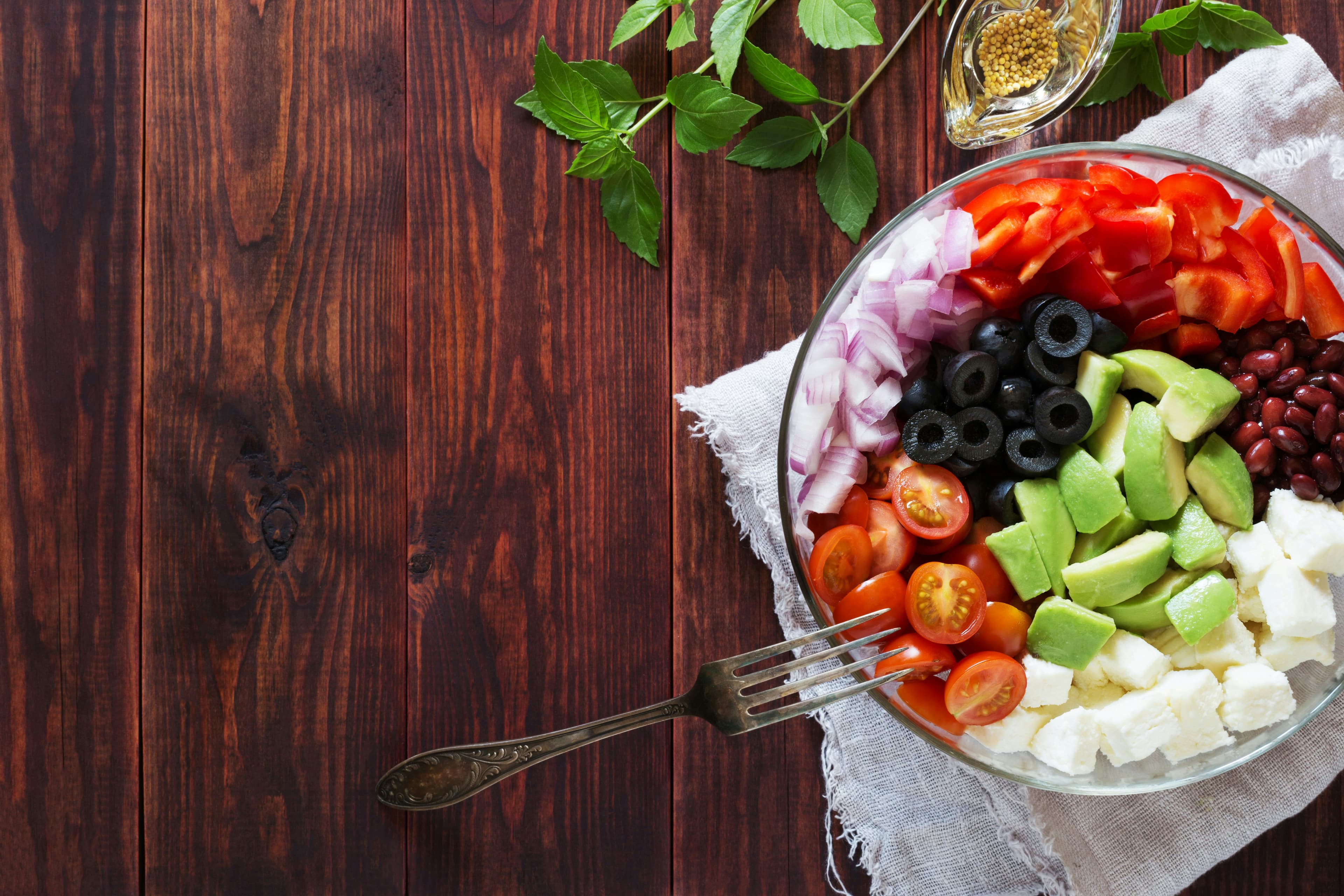
Best sources: Lentils and legumes (the highest fibre density), oats, barley, whole grains, vegetables, fruits with edible skins, nuts, and seeds. In the Bangladeshi and South Asian diet, this means leaning into dal, sabji, and whole-grain roti rather than refined rice as the primary carbohydrate.
Eat Fermented Foods Daily
Fermented foods contain live bacteria that can temporarily colonise the gut and, more importantly, produce compounds that feed resident bacteria. A landmark 2021 Stanford study (replicated and extended in 2024–2025) showed that a high-fermented-food diet increases microbiome diversity more effectively than a high-fibre diet alone.
Best sources: Plain yoghurt with live cultures, kefir, kimchi, sauerkraut, miso, tempeh, and lacto-fermented pickles (brine-preserved, not vinegar-preserved). For South Asian diets, dahi (plain yoghurt) consumed daily is an accessible, culturally embedded fermented food with strong evidence behind it.
Reduce Ultra-Processed Foods
Ultra-processed foods — those formulated with industrial additives, emulsifiers, artificial sweeteners, and refined carbohydrates — are the most damaging category for microbiome health. Emulsifiers in particular (carboxymethylcellulose, polysorbate-80) have been shown in multiple studies to disrupt the mucus layer of the intestinal barrier and alter microbiome composition toward inflammatory species.
The practical rule: if the ingredient list contains more than five items or contains ingredients you couldn't buy in a supermarket, it's ultra-processed. These foods should be the exception, not the foundation of the diet.
Prioritise Polyphenol-Rich Foods
Polyphenols — the antioxidant compounds in colourful plants — are selectively fermented by beneficial bacteria, acting as prebiotics. They also have direct anti-inflammatory effects on the gut lining.
Best sources: Berries, dark chocolate (70%+), green tea, turmeric, extra-virgin olive oil, pomegranate, red onions, and leafy greens. In South Asian cooking, turmeric, cardamom, coriander, and cumin are all polyphenol-rich spices that confer microbiome benefits simply by being included generously in daily cooking.
The Role of Probiotics and Prebiotics
Prebiotics are the indigestible fibres that feed your resident gut bacteria — they are found in food (as above) and in supplement form. Key prebiotic supplements include inulin, fructooligosaccharides (FOS), and galactooligosaccharides (GOS).
Probiotics are live bacteria consumed to supplement the gut. The evidence is nuanced: generic probiotic supplements produce inconsistent results, while targeted strains for specific conditions (Lactobacillus rhamnosus GG for antibiotic-associated diarrhoea, Bifidobacterium longum for anxiety-related gut-brain symptoms) are well-evidenced.
In 2026, precision probiotic formulations — strain combinations matched to your microbiome profile via stool testing — represent the most advanced tier of gut health supplementation.
Lifestyle Factors That Affect Gut Health
Diet is primary, but these lifestyle factors significantly influence microbiome composition:
Sleep — Sleep deprivation and circadian disruption alter microbiome composition within 48 hours. Seven to nine hours of quality sleep is a gut health intervention as much as anything else.
Stress — Chronic psychological stress reduces microbiome diversity and increases intestinal permeability. The gut-brain axis runs in both directions: a disrupted gut worsens stress response, and chronic stress disrupts the gut.
Exercise — Regular moderate-intensity exercise — 150+ minutes per week — increases microbiome diversity independently of diet. Exercise-derived SCFAs appear to play a role in this.
Antibiotic stewardship — Antibiotics cause significant, sometimes lasting disruption to the microbiome. Use them only when clinically necessary and follow up every course with a targeted probiotic protocol and high-fibre diet to support recovery.
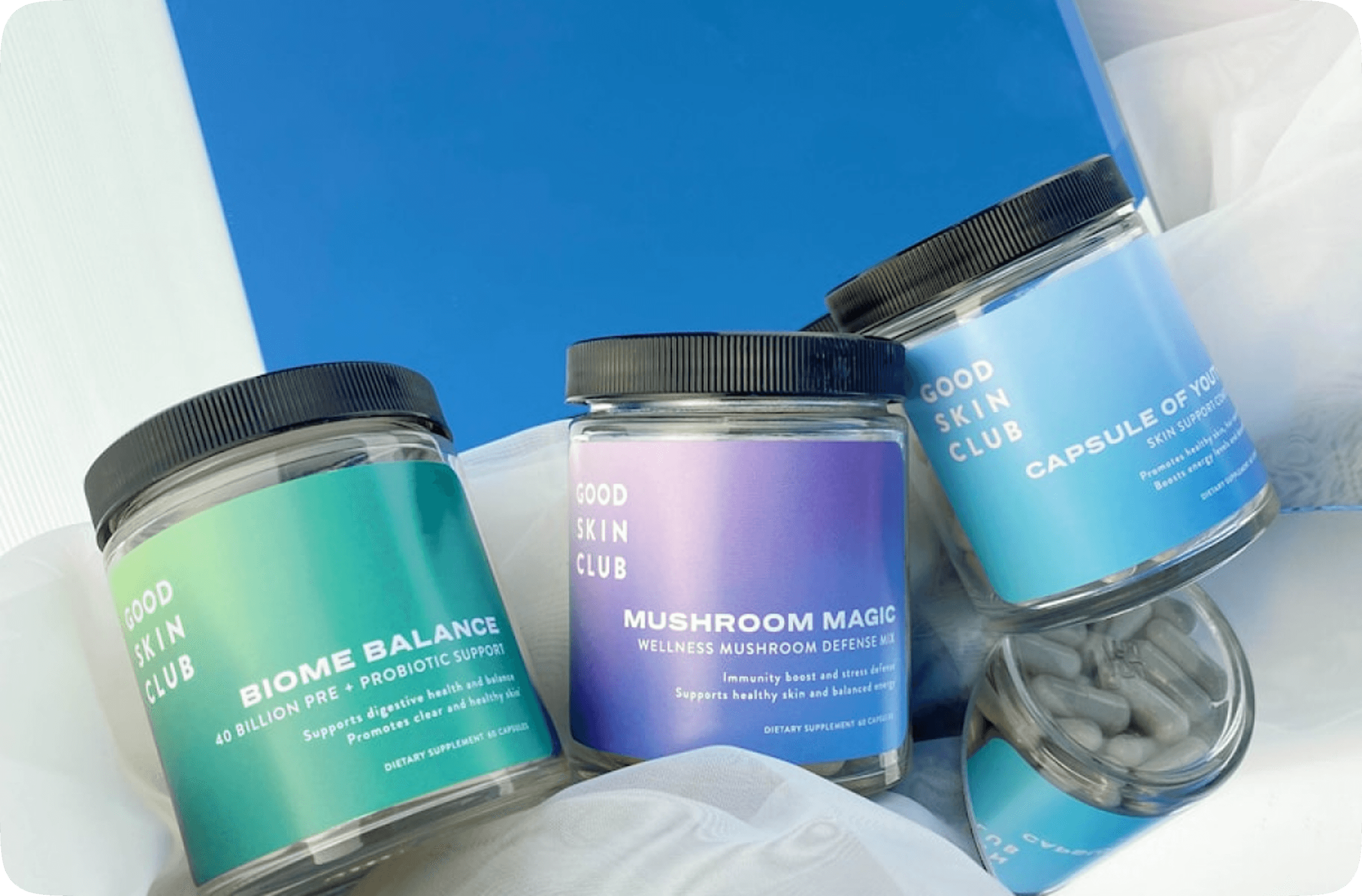
Govaly's health and wellness collection features physician-reviewed probiotic supplements, prebiotic fibres, and gut-supportive nutritional products curated specifically for South Asian health profiles and dietary patterns.