Burnout has become the defining health challenge for working professionals in 2026. Rising expectations, always-on digital communication, and economic uncertainty have converged to push stress levels to record highs. The good news: protecting your mental health doesn't require a complete lifestyle overhaul. A handful of consistent, evidence-backed habits can make a measurable difference — even within the most demanding schedules.
Why Mental Health Self-Care Has Changed in 2026
The old model of self-care — weekend spa treatments and occasional meditation retreats — has given way to something more clinical and continuous. Wearable biosensors now track heart rate variability (HRV), sleep architecture, and cortisol proxies in real time, giving professionals objective data on their stress state. Apps powered by AI offer personalised interventions based on that data, shifting mental health management from reactive to proactive.
More importantly, the stigma around mental health in professional environments has fallen sharply. In 2026, discussing burnout prevention at work is as normalised as discussing physical fitness.
Morning: Set the Neurological Tone
The first 30 minutes after waking disproportionately influence your cortisol pattern and cognitive performance for the rest of the day.
No screens for the first 20 minutes — Morning blue light exposure from screens spikes cortisol and activates the stress response before the day has even begun. Let your cortisol rise naturally with ambient light instead.
5-minute breathwork — Box breathing (4s inhale, 4s hold, 4s exhale, 4s hold) activates the parasympathetic nervous system, reducing baseline anxiety. The science is robust: three to five minutes of controlled breathing measurably lowers HRV-assessed stress markers.
Intentional movement — Even 10 minutes of low-intensity movement — walking, stretching, or yoga flows — elevates BDNF (brain-derived neurotrophic factor), the protein most associated with mood regulation and cognitive resilience. You do not need an hour-long gym session to get the neurological benefit.
High-protein breakfast — Skipping breakfast stresses the adrenal system, which is already working hard in the morning. A protein-rich meal (eggs, Greek yoghurt, legumes) stabilises blood glucose and supports neurotransmitter production throughout the morning.
Midday: Protect Your Cognitive Space
The midday period is when most professionals experience their first significant cognitive dip. Protecting this window prevents the afternoon slump from escalating into chronic fatigue.
Micro-breaks every 90 minutes — The brain operates in ultradian rhythms of roughly 90 minutes of focus followed by a natural rest phase. Trying to power through the rest phase generates stress hormones. A 10-minute break — away from screens, ideally outdoors — resets your focus capacity and maintains decision-making quality.
Lunch away from your desk — Eating while working keeps the nervous system in a sympathetic (fight-or-flight) state, impairing both digestion and the psychological restoration that lunch should provide. Even 15 minutes away from your workstation improves afternoon concentration and mood.
Brief mindfulness check-in — A two-minute body scan — noting physical tension, breath rate, and emotional state — builds interoceptive awareness. Over weeks, this practice allows professionals to detect early burnout signals before they escalate.
Evening: Transition and Recovery
The evening is the nervous system's window for metabolic recovery. Professionals who fail to genuinely downshift in the evening carry compounding cortisol debt into the next day.
Digital cutoff one hour before sleep — The evidence is unambiguous: screen use close to sleep delays melatonin onset by 60–90 minutes and reduces REM sleep quality. Set a hard cutoff for work communications. Use the hour before bed for low-stimulation activities — reading physical books, light stretching, or conversation.
Journaling (5–10 minutes) — Expressive writing externalises rumination — the repetitive, anxious thought loops that are the primary driver of stress-related sleep disruption. Write about unresolved concerns or tomorrow's priorities. Getting them out of your head and onto paper reduces the brain's felt need to process them during sleep.
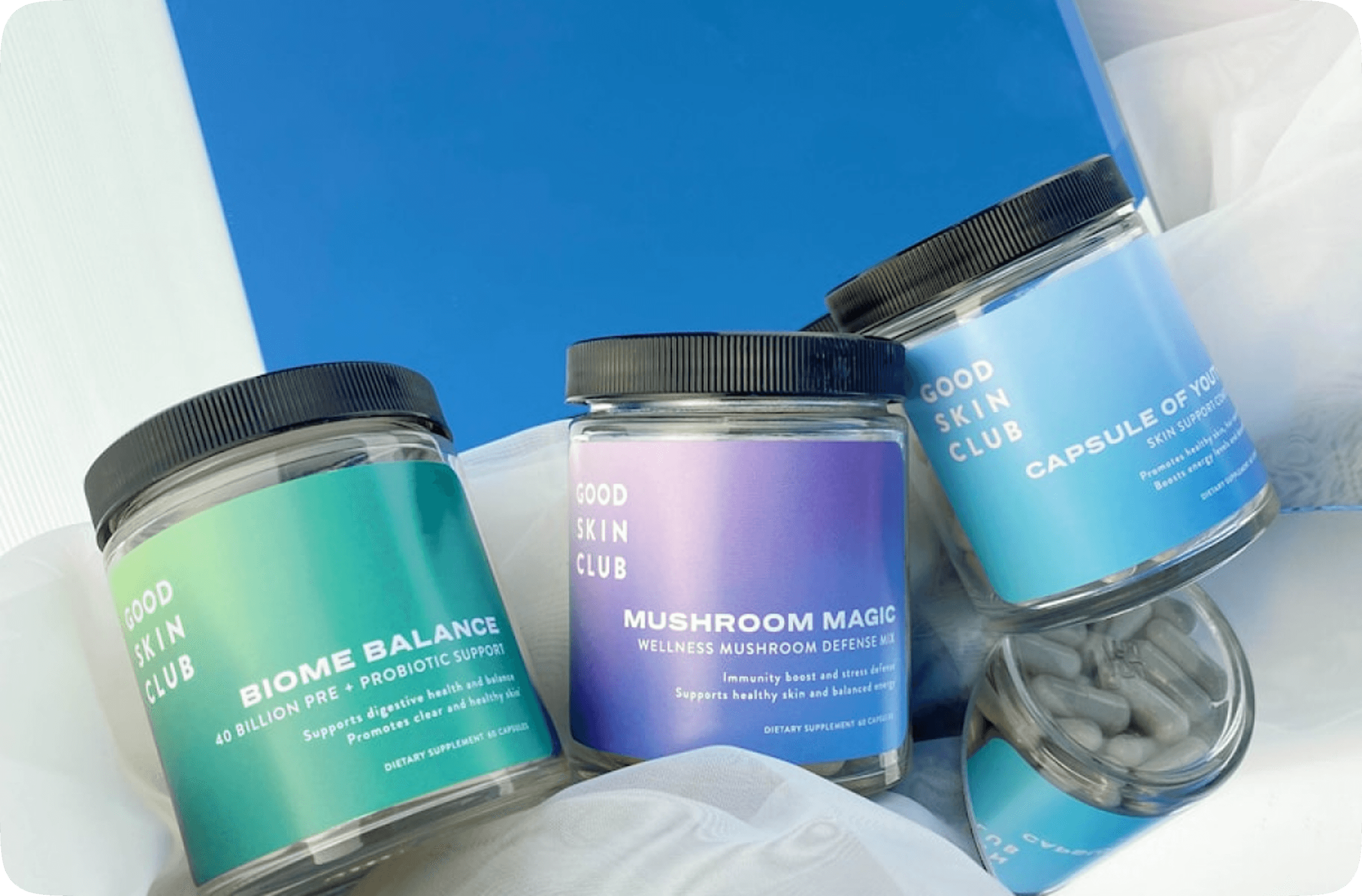
Magnesium glycinate before bed — Low magnesium is correlated with elevated anxiety and poor sleep quality. Supplementing with 200–400 mg of magnesium glycinate before sleep supports GABA activity, reduces cortisol, and measurably improves sleep quality without the grogginess of pharmaceutical sleep aids.
Consistent sleep schedule — Sleep timing regularity is as important as sleep duration. Going to bed and waking within 30 minutes of the same time every day — including weekends — stabilises your circadian rhythm and dramatically improves deep sleep percentage.
Weekly Reset Practices
Beyond daily habits, these weekly practices address deeper recovery needs:
One screen-free morning per week — Full disconnection, even for two to three hours, allows the default mode network (the brain's rest-state) to fully consolidate memories, process emotions, and restore creative capacity.
Social connection — Loneliness is now classified as a significant health risk factor, associated with elevated inflammatory markers comparable to smoking 15 cigarettes per day. Prioritise at least one meaningful in-person social interaction weekly.
Nature exposure — Research from 2026 continues to confirm that 120 minutes of nature exposure per week is associated with significantly better mental health outcomes than urban-only environments. This can be distributed across the week in short sessions.
Professional support when needed — Self-care routines are maintenance, not treatment. If you're experiencing persistent low mood, anxiety that interferes with function, or thoughts of self-harm, professional mental health support is not optional — it is the appropriate standard of care.
Govaly's health and wellness section features expert-curated products that support mental health routines, from sleep aids to wearable biosensors. Build your evidence-based self-care stack with confidence.